
green brook electrical timer instructions
Green Brook Electrical Timer Instructions: A Comprehensive Guide
This guide offers detailed instructions for setting up and utilizing your Green Brook electrical timer, covering time, date, and programming features for optimal control․
Understanding the timer’s capabilities ensures efficient operation, including summer mode and temporary overrides, as detailed in available documentation․
Proper setup and programming will allow you to manage your electrical devices effectively, maximizing convenience and energy savings with this versatile tool․
Understanding Your Green Brook Timer
Your Green Brook timer is a sophisticated device designed for automated control of electrical appliances and lighting․ It operates on a 7-day programming cycle, allowing for customized on/off schedules tailored to your specific needs․ This timer isn’t just a simple on/off switch; it’s a programmable controller that enhances convenience and potentially reduces energy consumption․
Key functionalities include precise time and date setting, the ability to add and delete programs, and a useful summer mode feature․ The summer mode, activated by simultaneously pressing the PROG and TIME buttons, automatically advances the clock by one hour, accommodating daylight saving time adjustments․ Understanding these core features is crucial for effective operation․
The timer’s interface typically includes buttons for programming, time adjustment, and navigation through the settings․ Familiarizing yourself with these controls will streamline the setup process․ Refer to the detailed instructions for specific button functions and programming sequences to unlock the full potential of your Green Brook timer․
Timer Model Identification
Accurate model identification is paramount for accessing the correct instructions and support resources․ While “Green Brook” signifies a brand, specific timer models within that range may vary in features and programming procedures․ The document referenced, T205C-instructions, details a 7-day fused timer switch, but other models exist․
Locate the model number typically printed on a label affixed to the timer’s casing – often on the back or bottom․ This number is crucial when searching for dedicated manuals or contacting customer support․ Without the precise model, troubleshooting and programming assistance can be significantly hampered․
Confirming the model ensures you’re utilizing the correct procedures for setting the time, date, and programming on/off schedules․ Variations in button layouts or menu structures may exist between models, making accurate identification essential for a seamless user experience․ Keep this information readily available for future reference․
Safety Precautions Before Installation
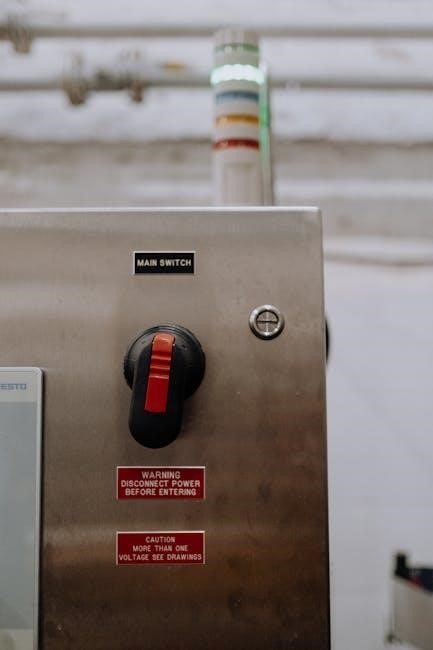
Prioritize safety during installation․ Always disconnect power to the circuit at the breaker box before commencing any wiring or handling of the Green Brook timer․ Failure to do so presents a serious risk of electrical shock or damage to the device․ Verify the power is off using a non-contact voltage tester․
Ensure the timer’s voltage and current ratings (detailed in the technical specifications) are compatible with the intended circuit․ Overloading the timer can lead to overheating, fire hazards, and void the warranty․ If unsure, consult a qualified electrician․
Proper grounding is essential for safety and optimal performance․ Follow all local electrical codes and regulations during installation․ Never work with wet hands or in damp environments․ If you lack experience with electrical wiring, seek professional assistance․

Installation Process
Securely mount the timer, carefully connect the power supply using the wiring diagram, and double-check all connections for stability and safety before restoring power․
Wiring Diagram Overview
Understanding the wiring diagram is crucial for a safe and functional installation of your Green Brook electrical timer․ Typically, the diagram will illustrate connections for the power source (Line/Hot), the neutral wire, and the load – the device you intend to control with the timer․
Pay close attention to the terminal designations; incorrect wiring can damage the timer or connected devices, and potentially create a safety hazard․ The diagram will often use color-coding to differentiate between wires, though always verify with local electrical codes․
Ensure the power is completely disconnected at the breaker before commencing any wiring․ A common setup involves connecting the Line wire to the timer’s input terminal, the Neutral to the neutral bus, and the Load wire to the timer’s output terminal․ Double-check all connections are tight and secure before restoring power, and consult a qualified electrician if you are unsure about any aspect of the wiring process․
Mounting the Timer Securely
Proper mounting is essential for the reliable operation and longevity of your Green Brook electrical timer․ Select a location that is easily accessible for programming and adjustments, yet protected from direct sunlight, moisture, and extreme temperatures․
Most timers are designed to be mounted directly to a wall or inside an electrical panel using screws․ Ensure the mounting surface is flat and sturdy enough to support the timer’s weight․ Use appropriate screws for the wall material – drywall anchors may be necessary for hollow walls․
Avoid mounting the timer near sources of heat or vibration, as these can affect its accuracy and performance․ Securely fasten the timer to the mounting surface, ensuring it is level and stable․ A loose timer can lead to wiring issues and potential malfunctions․
Connecting the Power Supply
Before connecting the power supply, absolutely ensure the main power to the circuit is switched OFF at the breaker box․ This is a critical safety precaution to prevent electrical shock․ Verify the power is off using a non-contact voltage tester․
Refer to the wiring diagram provided with your Green Brook timer․ Typically, timers have terminals for Line (Hot), Neutral, and Load․ Connect the Line wire to the designated Line terminal, the Neutral wire to the Neutral terminal, and the Load wire to the Load terminal․
Ensure all connections are tight and secure․ Loose connections can cause arcing, overheating, and potential fire hazards․ Double-check the wiring against the diagram before restoring power․ Once verified, carefully restore power at the breaker box and test the timer’s functionality․
Setting the Time and Date
Accurate time and date settings are crucial for proper timer operation; press and hold the TIME button to enter setting mode for adjustments․
Utilize the + and ⎼ buttons to precisely set the current hours, minutes, and the correct day of the week for reliable scheduling․

Entering Time Setting Mode
To initiate time adjustments on your Green Brook timer, a specific procedure must be followed to access the setting functions․ Begin by pressing and holding the “TIME” button․ This action signals the timer to transition from its standard display mode into the dedicated time setting mode;
Observe the display carefully; you should notice the hour digits begin to flash, indicating they are now editable․ If the hour digits do not flash, continue holding the “TIME” button for a few additional seconds to ensure proper entry․ Once in this mode, you are prepared to adjust both the hour and minute settings using the designated control buttons․
Familiarize yourself with the button layout; typically, dedicated “+” and “-” buttons are provided for incrementing or decrementing the displayed values․ These buttons are your primary tools for setting the precise time and date, ensuring accurate scheduling for your connected devices․
Adjusting Hours and Minutes
With the timer in time setting mode – indicated by flashing hour digits – use the “+” and “-” buttons to adjust the hour․ Each press will increment or decrement the hour by one, allowing for precise setting․ Once the correct hour is displayed, briefly press the “TIME” button again․
This action will shift the focus to the minute digits, which will now begin to flash․ Utilize the “+” and “-” buttons once more to adjust the minutes to the desired value․ Again, each press corresponds to a one-minute increment or decrement․
Take your time and double-check the displayed hour and minute values for accuracy․ Accurate time setting is crucial for the proper functioning of programmed on/off schedules; After confirming the correct time, press the “TIME” button a final time to save the settings and exit time setting mode․
Setting the Correct Day of the Week
After setting the time, accurately configuring the day of the week is essential for the 7-day programming cycle to function correctly․ To initiate day setting, press and hold the “TIME” button until the day indicator begins to flash․ This signifies that the timer is now in day setting mode․
Utilize the “+” and “-” buttons to cycle through the days of the week, displayed as numbers or abbreviations (e․g․, 1-7 or SUN-SAT); Each press of the buttons will advance or reverse the day selection․ Carefully observe the display to ensure you select the current day․
Confirm the selected day is accurate before finalizing the setting․ An incorrect day will cause programmed events to occur on the wrong days․ Once the correct day is displayed, briefly press the “TIME” button again to save the day setting and return to normal operation․

Programming On/Off Times
Utilize the 7-day cycle to define specific on and off schedules, customizing your electrical device control with precision and ease for automated operation․
Adding or deleting programs allows for flexible scheduling, adapting to your needs and ensuring optimal energy management with the Green Brook timer․
Understanding the 7-Day Programming Cycle
The Green Brook timer utilizes a 7-day programming cycle, allowing for distinct scheduling for each day of the week, or a uniform schedule applied across all days․ This flexibility is crucial for adapting to varied routines and energy-saving goals․ Each day can have multiple on/off programs, enabling precise control over when connected devices operate․
To effectively program, consider your weekly schedule․ Do you require different settings for weekdays versus weekends? The timer allows you to define these differences․ Understanding this cycle is fundamental to maximizing the timer’s benefits․ You can set unique start and end times for each day, tailoring the operation to your specific needs․
Remember that each program consists of an on-time and an off-time․ Carefully planning these times ensures your devices function precisely when desired, contributing to both convenience and energy efficiency․ The 7-day cycle provides a robust framework for automated control․
Adding a New On/Off Program
To add a new on/off program, first ensure the timer is in programming mode․ Typically, this involves pressing the “PROG” button․ Once in programming mode, you’ll need to select the day you wish to program․ Use the navigation buttons (often indicated by arrows or “+” and “-“) to cycle through the days of the week․
Next, define the “on” time․ This involves setting the hour and minute when you want the connected device to activate․ Again, utilize the navigation buttons to adjust these values․ Following the “on” time, you’ll set the “off” time – the hour and minute when the device should turn off․
Confirm your settings and save the program․ The timer will then store this schedule for the selected day․ Repeat this process for each day and desired on/off cycle․ Remember to review your programmed schedule to ensure accuracy․
Deleting Existing Programs
Removing unwanted programs from your Green Brook timer is crucial for maintaining an accurate and efficient schedule․ Begin by entering the programming mode, usually activated by pressing the “PROG” button․ Once inside, navigate to the day containing the program you wish to delete, using the directional or “+” and “-” buttons․
Locate the specific on/off program within that day’s schedule․ The method for deletion varies by model, but often involves a long press of the “PROG” or “DELETE” button while the program is highlighted․ Some timers may require confirmation before permanently removing the schedule․
Verify the deletion by reviewing the programmed schedule for that day․ Ensure the unwanted program is no longer listed․ Repeat this process for any other programs you wish to remove, maintaining a clean and organized timer setup․

Advanced Features
Explore enhanced functionalities like summer mode, activated by simultaneously pressing “PROG” and “TIME”, and temporary overrides for schedule adjustments․
Review programmed schedules to confirm settings and ensure optimal performance of your Green Brook timer․
Summer Mode Activation
Activating Summer Mode on your Green Brook timer is a straightforward process designed to automatically adjust the clock forward by one hour, accommodating Daylight Saving Time․ This feature eliminates the need for manual adjustments when the clocks change seasonally, ensuring your programmed schedules remain accurate․
To engage Summer Mode, simply press and hold both the “PROG” (Program) and “TIME” buttons simultaneously․ Upon activation, you’ll notice the display immediately advance by one hour․ This indicates that Summer Mode is now active․ To deactivate Summer Mode and revert to standard time, repeat the same process – press and hold both the “PROG” and “TIME” buttons concurrently․
Remember to consider whether your programmed on/off times need adjustment after activating or deactivating Summer Mode, as the time shift will affect when your devices operate․ This simple function provides a convenient way to maintain accurate timekeeping throughout the year, enhancing the usability of your Green Brook timer․
Overriding the Program Temporarily
The Green Brook timer offers a convenient override function, allowing you to temporarily bypass the programmed schedule without permanently altering your settings․ This feature is ideal for situations where you need to operate a connected device outside of its usual on/off times, such as unexpected lighting needs or appliance usage․
To activate the override, consult your specific model’s manual as the method can vary․ Generally, it involves pressing a dedicated “Override” button or a combination of buttons․ Once activated, the timer will typically operate in a manual mode, allowing you to control the device directly until the override is deactivated․
Deactivating the override usually involves pressing the same button again or selecting an “Auto” mode․ The timer will then resume its regularly programmed schedule․ Important Note: The duration of the override may be limited, so check your model’s specifications for details․
Reviewing Programmed Schedules
Regularly reviewing your programmed schedules is crucial to ensure the Green Brook timer operates as intended and aligns with your needs․ Most models feature a review mode that allows you to scroll through each programmed on/off event for all seven days of the week․
To access the review mode, typically you’ll need to press the “PROG” or “Program” button multiple times․ This will cycle through the different days and programmed times․ Pay close attention to the displayed on/off times and ensure they match your desired settings․
If discrepancies are found, use the editing functions (described in the programming section) to make necessary adjustments․ Confirm your changes after editing to avoid unintended operation․ Consistent review helps maintain accurate control and optimize energy usage․

Troubleshooting Common Issues
Addressing common problems like incorrect time displays, program failures, or unexpected resets ensures optimal timer function․ Careful diagnosis and adjustments will restore reliable operation․
Refer to the manual for specific error codes or troubleshooting steps related to your Green Brook timer model․
Timer Not Displaying Correct Time
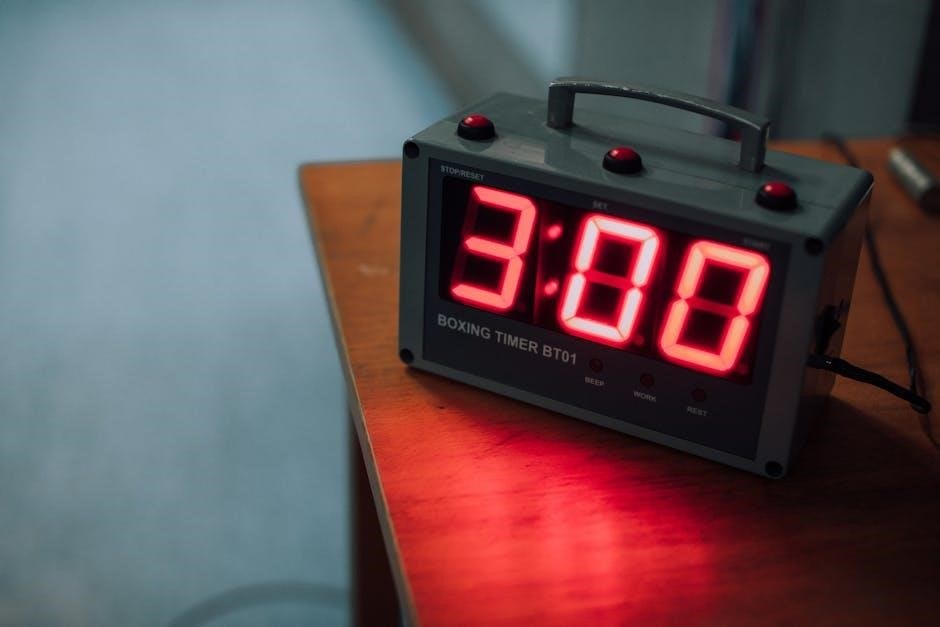
If your Green Brook timer shows an inaccurate time, several factors could be at play․ First, verify the power supply is stable; fluctuations can disrupt the internal clock․ Ensure the timer hasn’t recently experienced a power outage, as this often necessitates resetting the time and date․
To correct the time, press and hold the ‘TIME’ button to enter setting mode․ Utilize the ‘+’ and ‘-’ buttons to adjust the hours and minutes accordingly․ Double-check the AM/PM setting if applicable, as an incorrect designation will lead to a 12-hour discrepancy․ Remember to confirm the correct day of the week is also selected during this process․
If the issue persists, consider the possibility of a low battery (if your model has a battery backup)․ Replacing the battery may resolve the problem․ Consult the full instructions for your specific T205C model, as procedures can vary slightly․ Finally, a factory reset, as a last resort, might be necessary, but will erase all programmed schedules․
Programs Not Activating as Expected
When programmed on/off times fail to execute, begin by meticulously reviewing each program entry․ Confirm the correct start and end times are set for each event, paying close attention to AM/PM designations․ Verify the correct days of the week are selected for each program; a program set for Monday will not activate on Tuesday․

Check that the timer isn’t in ‘Override’ mode, as this temporarily disables scheduled programs․ Ensure the timer hasn’t been accidentally reset, erasing all programmed settings; Confirm the power supply to the connected device is functioning correctly; the timer only controls power to the device, not the power source itself․
Refer to the 7-day programming cycle to understand how programs repeat․ If using summer mode, remember it shifts the clock forward, potentially affecting program timing․ Consult the T205C instructions for detailed troubleshooting steps specific to your model․
Timer Resetting Unexpectedly
If your Green Brook timer frequently loses its programming, the first step is to check the power supply․ Voltage fluctuations or intermittent power outages can cause a reset, even if brief․ Consider a surge protector to safeguard against power surges that might disrupt the timer’s internal memory․
Ensure the timer is securely mounted to prevent accidental dislodging, which could interrupt connections․ Inspect the wiring connections for looseness or corrosion; a poor connection can lead to unreliable operation․ Avoid exposing the timer to extreme temperatures or humidity, as these conditions can affect its performance․
If the issue persists, the timer’s internal battery (if equipped) may be failing․ Consult the technical specifications for battery replacement instructions․ Referencing the T205C instructions may provide model-specific guidance on preventing unexpected resets․

Technical Specifications
Green Brook timers operate on specified voltage and current ratings, with varying dimensions and weight depending on the model; check documentation for details․
Operating temperature ranges are crucial for optimal performance, ensuring reliable timing functions within defined environmental conditions․
Voltage and Current Ratings
Understanding the voltage and current ratings of your Green Brook electrical timer is paramount for safe and effective operation․ These specifications dictate the types of electrical loads the timer can reliably control without damage or malfunction․ Typically, these timers are designed for standard household voltage, commonly 120V AC, 60Hz․
However, it’s crucial to verify the exact voltage requirement printed on the timer’s label or within the accompanying documentation․ Regarding current, the ratings are usually expressed in Amperes (A), and often include both a resistive load rating and an inductive load rating․ Resistive loads, like incandescent lights, generally have higher current limits than inductive loads, such as motors․
Exceeding the specified current rating can lead to overheating, timer failure, or even a fire hazard․ Always ensure the total wattage of the connected devices does not surpass the timer’s maximum wattage capacity, calculated by multiplying voltage by current․ Carefully review these ratings before connecting any electrical devices to the timer․
Operating Temperature Range
The operating temperature range defines the environmental conditions under which your Green Brook electrical timer will function reliably and safely․ Exposing the timer to temperatures outside this range can compromise its accuracy, lifespan, and potentially create a safety hazard․ Generally, these timers are designed to operate within a moderate temperature spectrum, typically between 32°F (0°C) and 140°F (60°C)․
However, it’s essential to consult the specific product documentation for the precise temperature limits of your particular model․ Avoid installing the timer in locations subject to extreme heat, such as near furnaces or direct sunlight, or in excessively cold environments․
High humidity levels can also affect performance, so ensure the timer is installed in a relatively dry location․ Operating outside the specified range may cause inaccurate timekeeping, program malfunctions, or even permanent damage to the internal components․ Maintaining appropriate temperature conditions is vital for optimal timer functionality․
Timer Dimensions and Weight
Understanding the physical specifications of your Green Brook electrical timer is crucial for proper installation and ensuring compatibility with your existing setup․ Dimensions typically vary depending on the specific model, but generally, these timers are designed to be compact and easily mounted within standard electrical boxes or enclosures․
Typical dimensions might range from approximately 4․5 inches in height, 3 inches in width, and 2 inches in depth․ However, always refer to the product’s datasheet for precise measurements․ The weight of the timer is also a factor, usually falling between 6 and 10 ounces․
This lightweight design simplifies the mounting process and minimizes stress on the mounting surface․ Accurate knowledge of these dimensions is essential for planning the installation and confirming sufficient space is available within the intended location․
Leave a Reply
You must be logged in to post a comment.