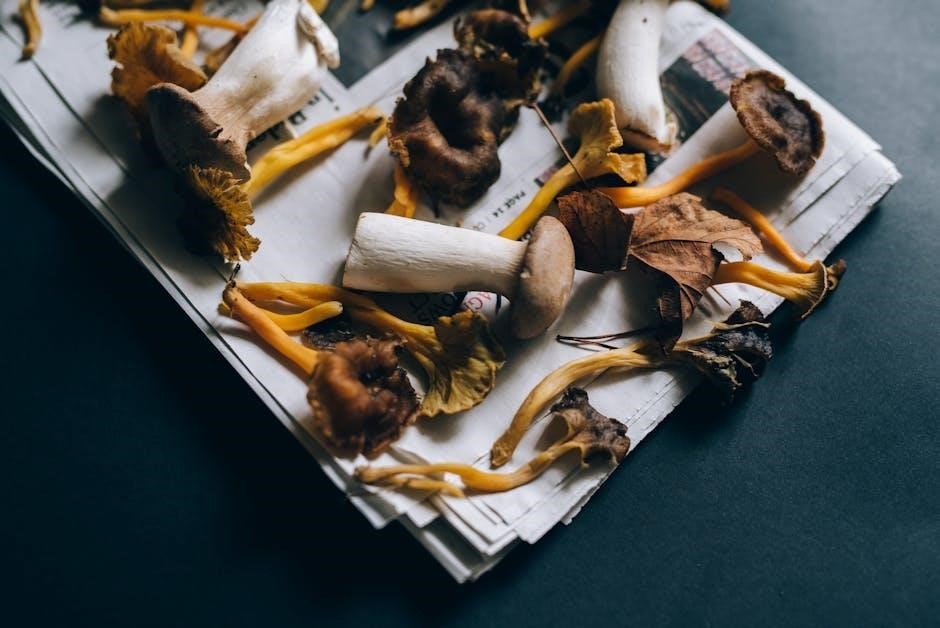
the forager’s guide to wild foods pdf free download
The Forager’s Guide to Wild Foods: Finding Free PDF Downloads
Numerous online resources offer foraging guides as PDFs, but caution is advised. Ranger Medic Handbook and SAS Survival Handbook are frequently mentioned, though finding truly free, legal downloads can be challenging.
Understanding the Appeal of Foraging Guides
Foraging, the practice of identifying and harvesting wild plants and fungi for food, has experienced a significant resurgence in popularity. This renewed interest stems from a desire for a closer connection to nature, a pursuit of self-sufficiency, and a growing awareness of sustainable food sources. Foraging guides, particularly those available as free PDF downloads, cater directly to this burgeoning community.
The appeal lies in the promise of accessing free, locally sourced nourishment. Individuals are drawn to the idea of supplementing their diets with wild edibles, reducing their reliance on commercial agriculture, and learning valuable survival skills. These guides often provide detailed descriptions, identification tips, and information on the edibility and potential uses of various plants. The convenience of a downloadable PDF format allows foragers to access information readily in the field, even without internet connectivity. However, it’s crucial to remember that relying solely on these resources carries inherent risks, demanding careful verification and cross-referencing.
The Risks of Relying Solely on Free PDF Downloads
While the accessibility of free foraging PDF downloads is attractive, significant risks accompany exclusive reliance on them. Accuracy is a primary concern; information can be outdated, regionally inaccurate, or even contain dangerous misidentifications. Unverified sources lack the rigorous peer review found in published books, potentially leading to the consumption of poisonous plants.
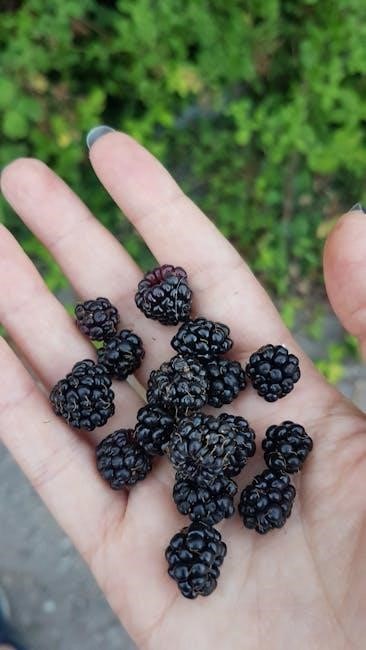
Furthermore, the legality of foraging varies considerably by location. Free PDFs often lack specific guidance on local regulations, potentially resulting in unintentional trespassing or the harvesting of protected species. The quality of illustrations and descriptions can also be poor, hindering accurate plant identification. Ranger Medic Handbook and similar resources, while valuable, aren’t substitutes for comprehensive, professionally vetted guides. Always cross-reference information with multiple reliable sources and prioritize safety above all else when venturing into the wild.
Legitimate Sources for Foraging Information
Prioritizing reliable sources is crucial for safe and responsible foraging. University extension offices frequently offer regionally specific guides and workshops, providing accurate, scientifically-backed information. Botanical gardens and local native plant societies are also excellent resources, often hosting guided foraging walks and offering detailed plant identification materials.
Reputable publishers specializing in natural history and outdoor skills produce high-quality foraging books. While free PDFs may be tempting, investing in professionally edited and illustrated handbooks like Ditch Medicine by Hugh Coffee or the SAS Survival Handbook ensures accuracy and comprehensiveness; Online forums and communities can supplement learning, but always verify information with trusted sources. Remember, responsible foraging emphasizes ethical harvesting practices and respect for the environment, best learned through legitimate channels.
Popular Foraging Books & Handbooks (Mentioned Online)
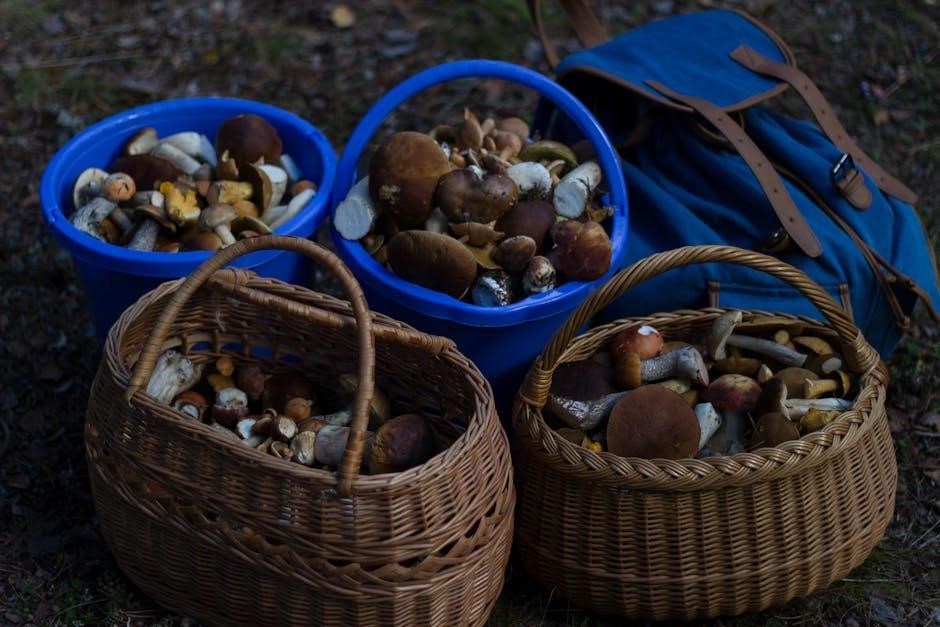
Several handbooks consistently appear in foraging discussions, including The Ranger Medic Handbook, Ditch Medicine, SAS Survival Handbook, Ranger Handbook, and tracking manuals.
The Ranger Medic Handbook: Wilderness First Aid
The Ranger Medic Handbook provides a solid foundation in priority medicine, crucial for anyone venturing into the wilderness, including foragers. It details essential first aid techniques applicable to injuries encountered while identifying and harvesting wild plants. While not solely focused on foraging, its principles directly support safe practices.
The handbook’s strength lies in its practical, no-nonsense approach to dealing with medical emergencies in remote locations. It covers wound care, fracture management, and treatment for various environmental hazards – all potential risks during foraging expeditions. A user highlighted its value, noting a regret over losing their print copy due to its current unavailability in physical form.
Though a free PDF version is sought after, finding a legitimate, readily accessible download proves difficult. Its comprehensive nature makes it a valuable companion for responsible foraging, emphasizing preparedness and self-reliance when far from conventional medical assistance.
Ditch Medicine by Hugh Coffee: Practical Field Medicine
Ditch Medicine, authored by Hugh Coffee, offers a pragmatic approach to field medicine, particularly relevant for those engaged in activities like foraging where access to conventional healthcare is limited. The book focuses on utilizing readily available resources and improvisational techniques to address medical needs in austere environments. It’s a highly regarded resource for wilderness preparedness.
One individual lamented the difficulty in acquiring a physical copy, expressing regret over losing their original print edition, as it’s currently out of print. This underscores the book’s value and the demand for its practical knowledge. While a free PDF download is desirable, locating a legal and reliable source presents a challenge.
The book’s emphasis on resourcefulness and adaptability makes it an ideal companion for foragers, equipping them with the skills to handle injuries or illnesses encountered while exploring for wild edibles and medicinal plants. It’s a cornerstone of self-sufficiency in the outdoors.
SAS Survival Handbook: Comprehensive Survival Skills
The SAS Survival Handbook is a widely recognized resource covering a vast spectrum of survival skills, extending far beyond simply finding food. It details techniques for shelter building, navigation, signaling, and first aid – all crucial elements for anyone venturing into the wilderness, including foragers. Its comprehensive nature makes it a valuable asset for preparedness.
Notably, the handbook is available in a convenient pocket-sized edition, making it easily portable for inclusion in a rucksack or emergency kit. One user specifically mentioned keeping their copy sealed in a Ziploc bag for protection against the elements, highlighting its importance as a readily accessible resource.
While a free PDF version is sought after, the handbook’s enduring popularity and practical advice justify the investment in a physical copy. It provides a solid foundation for safe and responsible foraging practices, emphasizing self-reliance and minimizing risks.
Ranger Handbook: Small-Group Tactics & Survival
The Ranger Handbook, while a highly respected military manual, focuses primarily on small-group tactical operations and advanced survival techniques geared towards combat scenarios. Its core content centers around leadership, communication, and coordinated movement within a team – aspects less directly applicable to the solitary pursuit of foraging.
One commentator noted its inclusion due to a previous mention, but acknowledged its limited utility for individual foragers. The handbook’s strength lies in its detailed instruction on patrolling, reconnaissance, and establishing secure perimeters, skills valuable in a hostile environment but often unnecessary for recreational foraging.
Despite its tactical emphasis, the Ranger Handbook does contain sections on wilderness survival, including basic first aid and shelter construction. However, for a forager seeking information specifically on plant identification and sustainable harvesting, other resources prove more directly relevant and efficient.
Special Forces Tracking and Countertracking Manual: Awareness & Evasion
The Special Forces Tracking and Countertracking Manual delves into the art of observing and interpreting signs of movement within a natural environment, initially intended for scenarios where avoiding detection – or actively pursuing others – is paramount. It’s a resource geared towards heightened awareness of surroundings and understanding potential threats.
A user suggested its relevance based on an interest in environments where one might be actively sought, highlighting the manual’s value in evasion techniques. Learning to track, the commenter explained, enhances situational awareness, allowing a forager to avoid unwanted encounters and understand the movements of others in the area.
While not directly focused on plant identification, the manual’s emphasis on observation skills can indirectly benefit foraging. Recognizing subtle changes in the environment, a core tracking principle, could aid in locating less obvious edible plants or identifying areas recently disturbed by wildlife or other humans.
Combat Tracking Guide by John Hurth: Advanced Tracking Techniques
Combat Tracking Guide, authored by John Hurth, represents a more in-depth exploration of tracking methodologies, building upon the foundational principles outlined in broader survival manuals. It’s considered a favorite resource by some, offering detailed insights into interpreting sign – the evidence left behind by people or animals moving through the landscape.
However, a key challenge noted by a user is the limited availability of free, accessible PDF versions. While the guide is highly regarded, finding a legitimate download without requiring registration or facing potential security risks proves difficult. This scarcity underscores the value of purchasing a physical copy or accessing it through official channels.
The advanced techniques covered within the guide, while geared towards military applications, translate to enhanced observational skills beneficial for foraging. Identifying subtle disturbances in vegetation or soil can reveal hidden resources or potential hazards.
Locational Foraging Resources & Tools
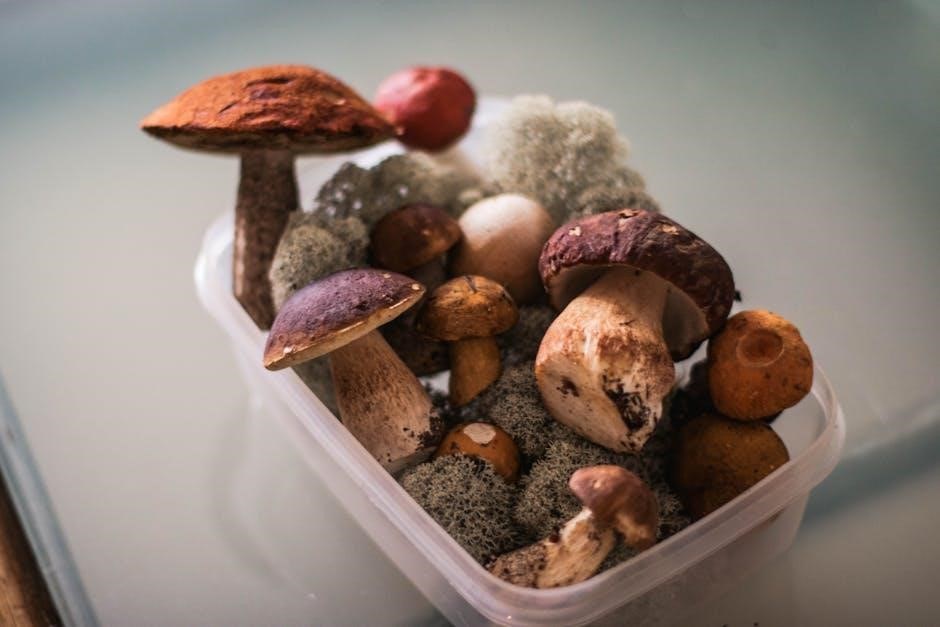
Users desire map-based foraging information, seeking species breakdowns for specific hiking locations. Expanding beyond state/federal lands to include accessible logging areas would enhance resource utility.
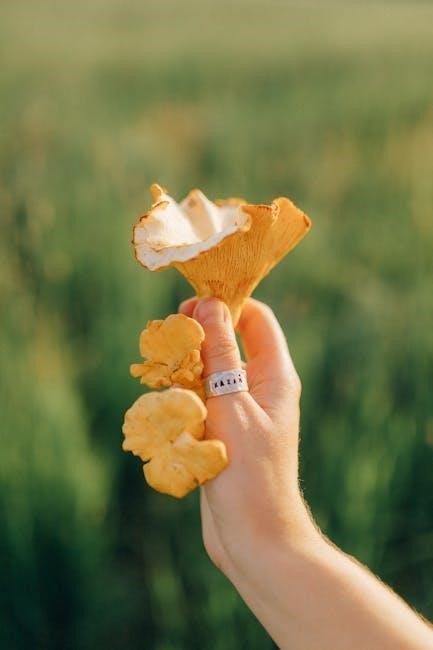
Mapping Wild Foods: Geographic Specificity
Effective foraging relies heavily on understanding where specific plants and fungi thrive. A generalized foraging guide, even in PDF format, lacks the crucial detail needed for successful and safe harvesting. The ideal resource would move beyond broad regional descriptions and offer geographically specific maps.
Currently, a significant user request centers around interactive maps. Imagine clicking on a hiking area and instantly receiving a list of likely edible species present during that season. This eliminates the tedious process of cross-referencing every plant entry with a general map, a current limitation of many online tools.
Such a system demands detailed data collection and ongoing updates. Factors like elevation, soil type, microclimate, and recent weather patterns all influence species distribution. A truly useful map wouldn’t just show where something might grow, but also the probability of finding it, enhancing the forager’s efficiency and minimizing wasted effort. This level of specificity is key to responsible foraging.
Data Sources for Foraging Maps (State & Federal Lands)
Constructing accurate foraging maps necessitates reliable data sources. Currently, the focus is primarily on publicly accessible lands – state parks, national forests, and Bureau of Land Management (BLM) areas; These entities often provide GIS data layers outlining property boundaries, trail systems, and sometimes, even vegetation types.
However, accessing and integrating this data can be complex. Each agency utilizes different formats and licensing agreements. A significant challenge lies in standardizing this information into a unified, user-friendly map interface. Public land records are a starting point, but detailed species distribution data is often lacking and requires supplemental research.
Furthermore, maintaining map accuracy demands continuous updates. Land management practices, wildfires, and invasive species can rapidly alter the landscape. Collaboration with local botanical societies and citizen science initiatives is crucial for verifying and refining the information presented on foraging maps, ensuring responsible and informed harvesting practices.
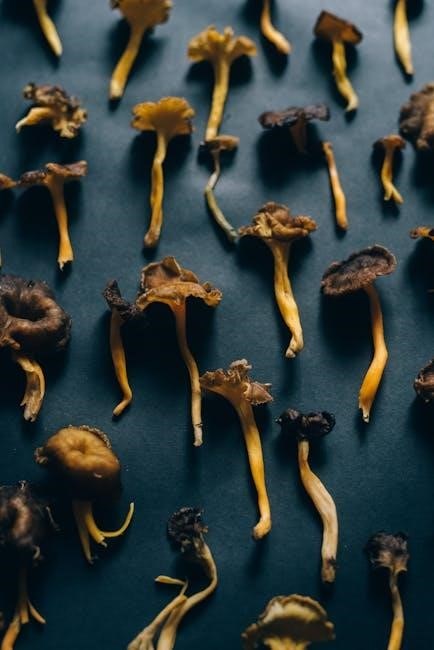
Expanding Map Coverage: Including Logging Lands
The current map limitations, focusing solely on state and federal lands, represent a significant area for improvement. Many logging companies permit public access, offering valuable foraging opportunities, yet this information remains largely untapped. Integrating these lands requires establishing relationships with timber companies and obtaining permission to map their properties.
A key challenge is the dynamic nature of logging lands. Active logging operations frequently alter the landscape, creating temporary closures and safety hazards. Maps must reflect these changes in real-time, necessitating a collaborative data-sharing system with logging companies. Legal considerations regarding access and harvesting rights also need careful evaluation.
Successfully incorporating logging lands would dramatically expand the map’s utility, providing foragers with access to a wider range of potential resources. However, it demands a commitment to responsible mapping practices, prioritizing safety and respecting the rights of landowners and operators.
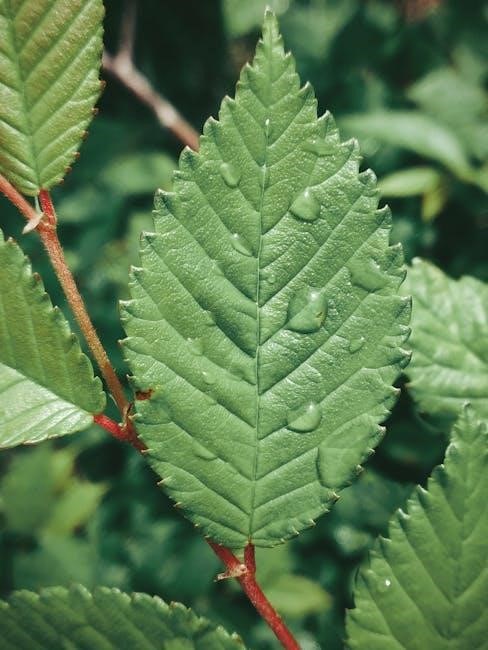
IELTS Study Materials (Unrelated but Mentioned)
The Official Cambridge Guide to IELTS is a comprehensive resource for exam preparation, featuring practice tests and skill-building exercises with detailed answer keys.
The Official Cambridge Guide to IELTS: Exam Preparation
This definitive guide from Cambridge University Press is widely considered the gold standard for IELTS preparation. It provides a thorough overview of the exam format, including Listening, Reading, Writing, and Speaking sections. The book features authentic practice tests, mirroring the actual exam experience, allowing candidates to familiarize themselves with the question types and time constraints.
Detailed explanations accompany each practice test, offering insights into correct answers and common mistakes. Skill-building exercises are integrated throughout, focusing on grammar, vocabulary, and test-taking strategies. The guide also includes sample answer sheets and guidance on how to approach each section effectively. Crucially, the inclusion of answers allows for self-assessment and targeted improvement.
For students aiming for a high band score, this resource is invaluable. It’s not merely a collection of tests; it’s a comprehensive learning tool designed to enhance all aspects of English language proficiency relevant to the IELTS exam. The book is regularly updated to reflect changes in the exam format, ensuring its continued relevance and effectiveness.
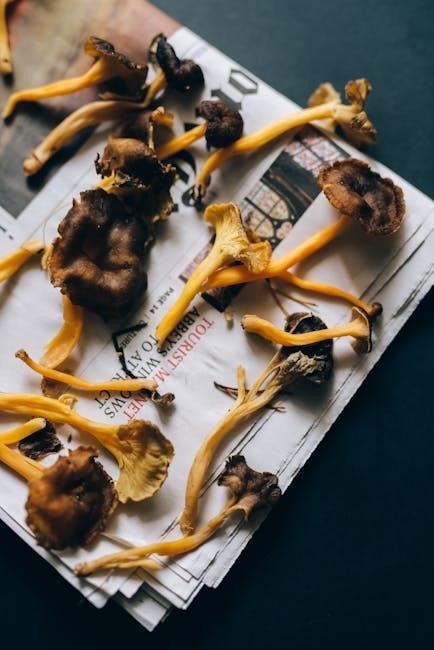
Safety Considerations for Foraging
Prioritize accurate plant identification to avoid consuming harmful species. Be aware of potential contamination and always respect property rights and local foraging regulations.
Positive Identification is Crucial
Foraging demands absolute certainty in plant identification; misidentification can lead to severe illness or even fatality. Relying on downloaded PDFs alone presents risks, as image quality and descriptions may be insufficient for accurate recognition. Cross-reference information from multiple, reputable sources – ideally, experienced local foragers or comprehensive field guides.
Never consume a plant unless you are 100% confident in its identification. Pay close attention to details like leaf shape, stem structure, flower characteristics, and habitat. Be aware that similar-looking plants can have drastically different properties; some edible plants have poisonous look-alikes. Utilize multiple identification features, not just one, to confirm your findings.
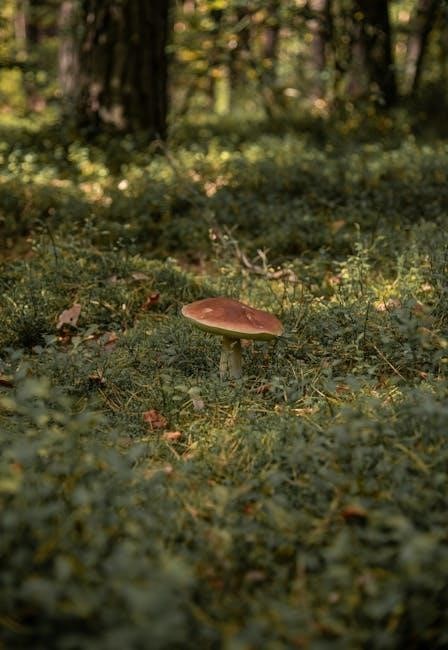
Consider taking a foraging class with a qualified instructor to gain hands-on experience and learn from an expert. When in doubt, leave it out – it’s always better to err on the side of caution when dealing with wild plants.
Avoiding Contaminated Areas
Foraging requires careful consideration of potential contamination sources. Avoid areas near roadsides, industrial sites, and agricultural fields where pesticides, herbicides, or heavy metals may be present. Runoff from these areas can contaminate soil and plants, rendering them unsafe for consumption.
Be mindful of areas frequented by animals, as their waste can also introduce harmful pathogens. Avoid foraging near polluted waterways or areas with visible signs of contamination, such as unusual discoloration or odors. Thoroughly wash all foraged items, even if they appear clean, to remove potential surface contaminants.
Consider the historical land use of the foraging area. Former industrial sites or landfills may contain residual contaminants that persist in the soil for years. Prioritize foraging in pristine, remote locations away from potential pollution sources to minimize risk.
Respecting Private Property & Regulations
Responsible foraging demands strict adherence to property rights and local regulations. Always obtain explicit permission from landowners before foraging on private property. Trespassing is illegal and unethical, potentially damaging relationships with landowners and hindering future foraging opportunities.
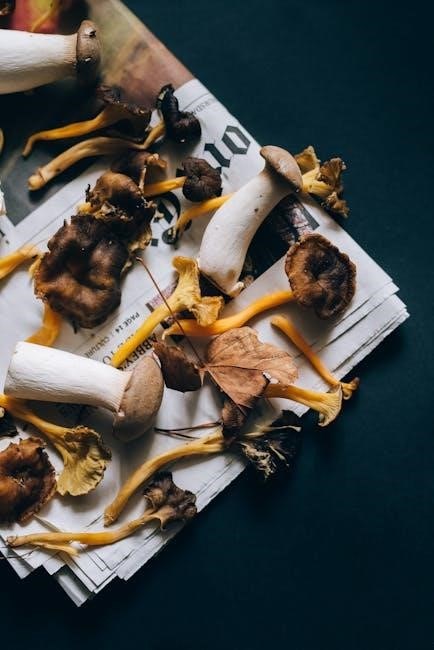
Familiarize yourself with local, state, and federal regulations regarding foraging. Many areas restrict the collection of certain species or limit the quantity that can be harvested. National and state parks often have specific rules regarding foraging, which may require permits or prohibit it altogether.
Practice sustainable harvesting techniques to minimize impact on plant populations. Avoid uprooting entire plants and only collect what you need. Leave sufficient resources for the plant to regenerate and for wildlife that depends on it. Respecting these guidelines ensures the long-term availability of wild foods.
Leave a Reply
You must be logged in to post a comment.